
J CARTER FOUNDATION
J CARTER FOUNDATION
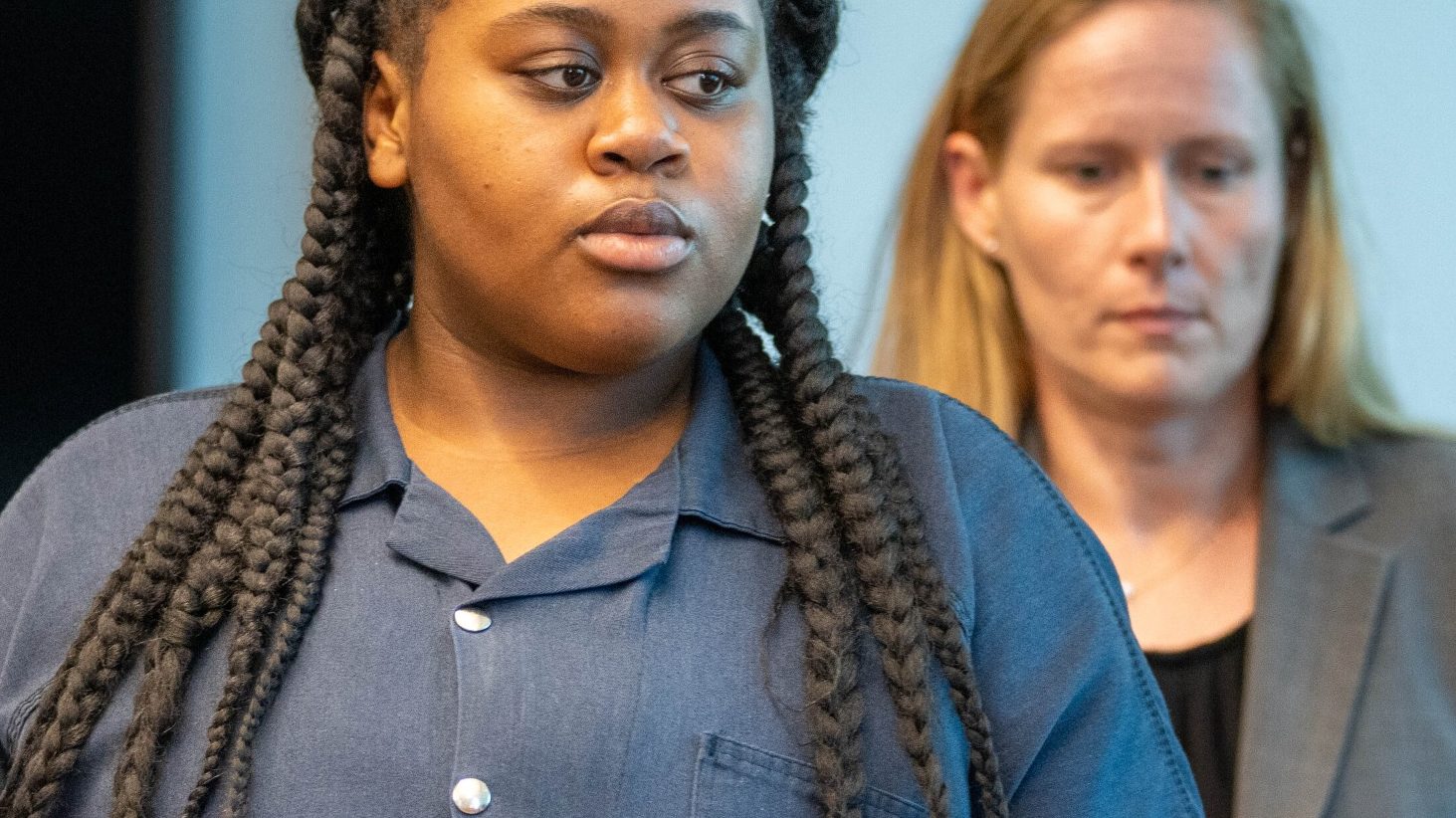
Cyntoia Brown exemplifies how Black trafficking victims are criminalized. At 16, she was prostituted by a pimp and sold to a 43-year-old man. When she killed him in self-defense, fearing for her life, she was convicted of murder and served 15 years in prison.
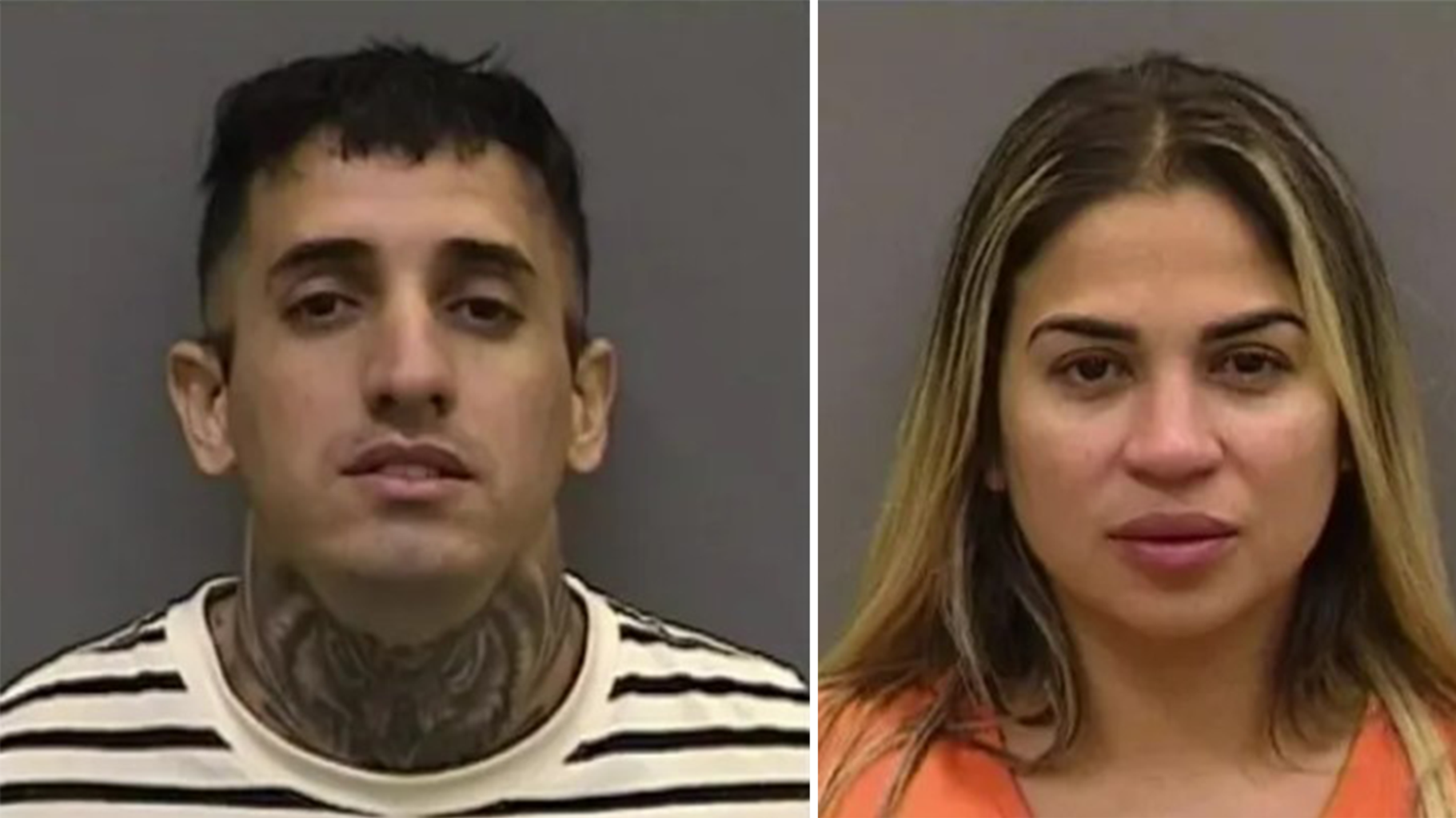
Amet Ramon Maqueira de la Cal and Rosalia Leonard Garcia were arrested on multiple charges, including human trafficking and false imprisonment.
Multiple women between the ages of 18 and 24 were forced into stripping and prostitution. The women had been held in two small rooms and were only allowed out to perform sex work. They were rescued by deputies at a mall in Tampa.
BEING INFORMED WILL HELP
Geographic Disparities Show Concentrated Targeting
Across America, Black children face disproportionate exploitation:
King County, Washington: 52% of child sex trafficking victims are Black
(vs. 7% of general population)
Louisiana: Black girls account for 49% of child sex trafficking victims
(vs. 19% of youth population)
Los Angeles: 92% of girls in juvenile justice system identified as trafficking
victims were Black
Multnomah County, Oregon: 27% of child sex trafficking victims are Black
(vs. less than 6% of population)
Criminal Justice Bias Perpetuates the Crisis
The system meant to protect victims often criminalizes them instead:
42% of all prostitution arrests in 2019 were Black people
When Black population was 13.2%, they represented 41.4% of prostitution arrests
Black girls are viewed as less innocent and more adult-like than white girls, leading to criminalization rather than protection communities.
Tagline
We need your consent to load the translations
We use a third-party service to translate the website content that may collect data about your activity. Please review the details in the privacy policy and accept the service to view the translations.